
Recognition of Foreign Divorce in Davao City: How It Works and How We Can Help
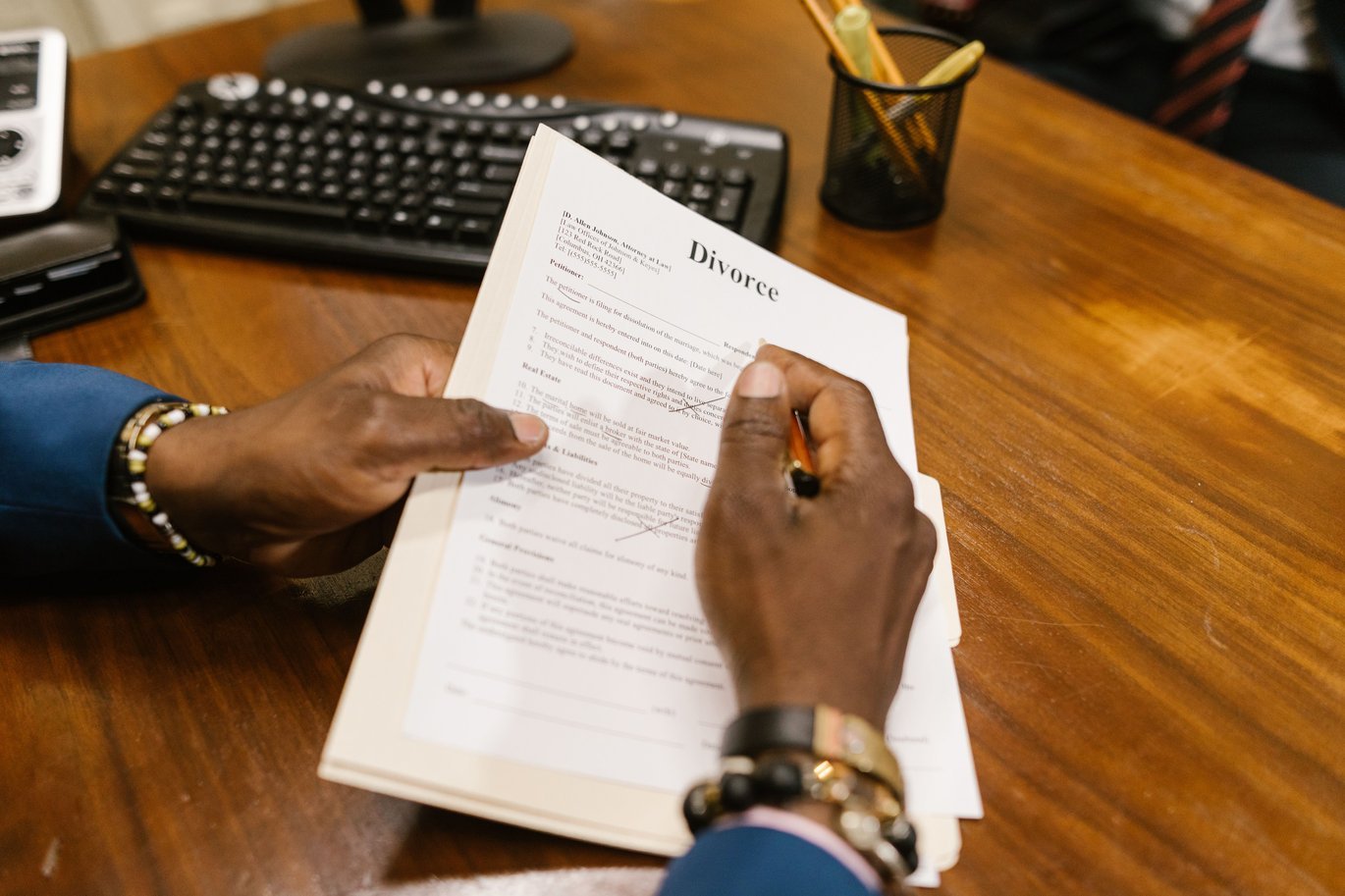
You may have gotten a divorce abroad, or your foreign spouse did. The papers are signed and your life has moved on. But in the Philippines, your PSA marriage certificate may still say you are married.
That gap causes real problems. It can stop you from remarrying, from updating your civil status, and from settling property matters. The fix is a court case called judicial recognition of foreign divorce.
This page explains the process in plain words: who can file, what documents you need, how the case moves through the courts in Davao City, and what happens after. If you would rather talk it through, you can book a consultation with our office in Bajada, Davao City.
What Is Recognition of Foreign Divorce?
Philippine courts do not automatically accept a divorce granted in another country. A foreign divorce decree is treated as a fact that must be proven in court. Until a Philippine court recognizes it, your Philippine records stay the same.
The legal basis is Article 26, paragraph 2 of the Family Code. In simple terms: when a Filipino is married to a foreigner, and the foreign spouse obtains a valid divorce abroad that allows the foreign spouse to remarry, the Filipino spouse can also remarry under Philippine law. The Supreme Court has applied this rule even when the Filipino spouse was the one who filed for the divorce abroad (Republic v. Manalo, 2018).
Recognition does not give you a new divorce. It tells the Philippine civil registry that a valid foreign divorce already exists, so your records can be updated.
Who Needs a Foreign Divorce Recognized in the Philippines?
You may need this case if you are:
- A Filipino who married a foreigner and later got divorced abroad.
- A Filipino whose foreign spouse filed for and obtained a divorce overseas.
- A Filipino whose spouse became a citizen of another country after the wedding, and then obtained a divorce abroad.
- Someone who wants to remarry, or who needs clear civil status records for a passport, visa, property deal or inheritance.
If both spouses were Filipino citizens when the divorce was granted, the rules are different. Philippine law generally does not allow absolute divorce between two Filipinos, so this case may not be the right one. In some of those situations, a Declaration of Nullity of Marriage may fit better. Our attorney can check your facts at your consultation.

Why Recognition Matters
A foreign divorce that is not recognized here leaves your Philippine records unchanged. That can cause trouble in several ways:
- Remarriage. The civil registry still treats you as married. A new marriage could be refused, or challenged later.
- Your PSA record. Once the court recognizes the divorce, your PSA marriage certificate is annotated to show it.
- Property and inheritance. Titles, deeds and estate papers often ask for your civil status. A clear status avoids delays.
- Government and embassy requests. Offices may ask for the annotated certificate when you apply for a passport, visa or similar documents.
Not sure whether your divorce qualifies? A short conversation can answer that.
How Recognition of Foreign Divorce Works in Davao City
Every case is different, but the path usually looks like this.
| Step | What happens |
|---|---|
| 1. Consultation and case review | We look at your marriage certificate, the divorce decree and the foreign divorce law. We tell you honestly whether your case qualifies. |
| 2. Gathering and authenticating documents | The decree and the foreign law papers usually need to be apostilled or authenticated for use in the Philippines. Papers not in English need a translation. |
| 3. Filing the petition | A verified petition is filed in the proper Regional Trial Court. In Davao City, family cases are heard by courts designated as Family Courts. Your attorney confirms the right court for your case. |
| 4. Notice to the government | The Office of the Solicitor General and the prosecutor are notified and may take part. The court may also order notice or publication. |
| 5. Hearing and evidence | You testify, and the court checks the decree and the foreign law. The court must be satisfied that the divorce is real, final and valid under that country's law. |
| 6. Decision | If the court is satisfied, it issues a decision recognizing the foreign divorce. |
| 7. Finality and annotation | After the decision becomes final, certified copies go to the Local Civil Registrar where the marriage was recorded. It is then sent to the PSA, and your marriage certificate is annotated. |
A practical tip: wait for the annotated PSA certificate before you remarry or apply for documents that depend on it.
How long the case takes depends on the court’s schedule, how complete your papers are, and whether the government raises questions. We give you a realistic range at your consultation. We do not promise a date.
Documents Usually Needed
Your attorney will give you the exact list for your country. Most cases need these:

| Document | Why it is needed |
|---|---|
| PSA marriage certificate (recent copy) | Shows the marriage that will be annotated. |
| Foreign divorce decree | Proves the divorce. It must be authenticated or apostilled, with an English translation if needed. |
| Proof that the divorce is final | Some countries issue a separate certificate of finality. |
| Copy of the foreign divorce law | Philippine courts do not assume what foreign law says. It must be proven. An internet printout is usually not enough. |
| Proof of your spouse's foreign citizenship | For example, a passport copy. It shows the marriage was with a foreigner. |
| Valid IDs, and PSA birth certificates of any children | General case papers. |
Common Problems That Delay These Cases
Most delays come from the paperwork, not the law. Here are the usual causes:
- The decree is not final yet, or the proof of finality is missing.
- The foreign law is not properly proven. Philippine courts do not take judicial notice of foreign law. It must be proven like any other fact.
- Documents are not authenticated the right way, or the translation is missing.
- The government is not properly notified. The Office of the Solicitor General must be given a chance to take part.
- Names or dates do not match across records. If your PSA records have spelling mistakes or wrong dates, our Correction of Entry service can fix them before or alongside your petition.
Most of these can be avoided by checking your documents early.
How Our Office Helps
Recognition of foreign divorce is part of our Family Law practice. Here is what you can expect when you work with us:
- A clear answer first. We review your papers and tell you whether you qualify before you commit to anything.
- A checklist for your situation. You get a list of what to gather and how to authenticate it.
- Drafting, filing and hearings. We prepare the petition, file it and handle the court hearings.
- Help after the decision. We guide you through the Local Civil Registrar and PSA annotation.
- A cost breakdown at the first consultation. Attorney’s fees, filing fees and other expenses are explained up front, so there are no surprises.
Foreign Divorce Lawyer Serving Davao City and Nearby Areas
Our office is at Unit 25, 3rd Floor, LSA Center, J.P. Laurel Ave, Bajada, Davao City. If you live in Buhangin, we are about 1.8 km away. If you live or work around Poblacion District, we are about 3.2 km away.
We also serve these areas:
The Law Office of Atty. Iris Pauline Taganas-Bacaltos (Bajada Notary Public)
Unit 25, 3rd Floor, LSA Center, J.P. Laurel Ave, Bajada, Davao City, 8000 Davao del Sur
Phone: 0917 722 9019
Frequently Asked Questions
Is a divorce granted abroad automatically valid in the Philippines?
No. A Philippine court must first recognize the foreign divorce. Until then, your PSA records do not change.
Who can file a petition for recognition of foreign divorce?
Usually the Filipino spouse, when the marriage was with a foreigner and a valid divorce was obtained abroad. Your attorney checks your facts to confirm that you qualify.
What if I was the one who filed for the divorce abroad?
The Supreme Court has held that Article 26 can still apply when the Filipino spouse filed. Each case is checked on its own facts, so please bring all your papers to the consultation.
What if both of us were Filipino citizens when we divorced?
Philippine law generally does not recognize an absolute divorce between two Filipinos. Other options, such as a Declaration of Nullity, may be worth looking at. An attorney should review your situation.
How long does the case take?
It depends on the court’s schedule, your documents and whether the government raises questions. We explain a realistic range at your consultation and do not promise a fixed date.
How much does it cost?
Costs depend on your case. They usually include attorney’s fees, filing fees and document costs such as authentication and translation. We give you a clear breakdown at your first consultation.
Does recognition decide custody, support or property?
No. Recognition only deals with your civil status. Child custody, support and property matters are handled separately.
When can I remarry?
Only after the court’s decision is final and your PSA marriage certificate shows the annotation. Please confirm the timing with your attorney before you plan a wedding.
Talk to a Foreign Divorce Lawyer in Davao City
You have already taken the first step by looking for information. The next step is a conversation. You speak with our team, we listen to your situation, and you leave with a clear picture of your options, the process and the costs. There is no obligation after an initial consultation.
Prefer to call? 0917 722 9019
This page gives general information about Philippine law. It is not legal advice, and reading it does not create a lawyer-client relationship. Laws and court rules can change, and every case is different.
Compassionate Legal Guidance You Can Trust
Navigating family or property matters can feel overwhelming — but you don’t have to face them alone. Our office provides clear, personalized, and compassionate legal support for every client.